
Tashkent → Nukus
Long-distance rail from Tashkent to Karakalpakstan, with current journeys around 16–20 hours and multiple sleeper classes.
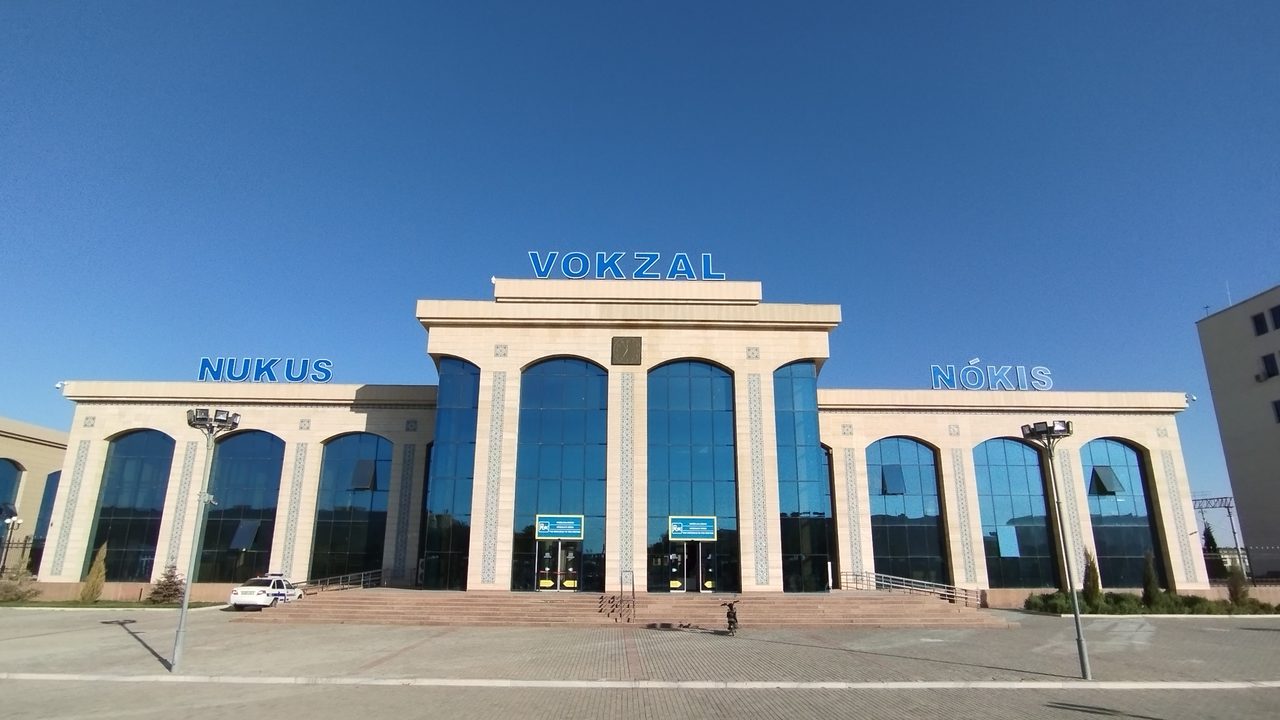
Nukus Railway Station is a major long-distance rail gateway to Karakalpakstan. Direct trains connect Nukus with Tashkent, while travelers heading to Muynak or the Aral Sea continue onward after arriving in Nukus.

Choose your destination and travel date to compare available trains.
Nukus Railway Station is one of the main passenger rail gateways to Karakalpakstan in western Uzbekistan. Direct long-distance trains connect Nukus with Tashkent, with current journeys taking roughly 16 to 20 hours depending on the service.
For many international travelers, Nukus is not the final reason for making the journey. It is also the transport base for exploring Karakalpakstan, including onward travel toward Muynak and the Aral Sea region.
That distinction matters: the train does not arrive at Muynak or the Aral Sea. It arrives in Nukus. Any journey farther into Karakalpakstan needs a separate onward plan.
No. Nukus Railway Station brings you to Nukus, the capital and main transport center of Karakalpakstan. Muynak and the Aral Sea region require onward travel from Nukus.
Nukus is the common English spelling. In Karakalpak-language signage you may also see Nókis / No'kis — the same city, as shown on the station’s own bilingual signage.
Nukus is the capital and principal transport center of Karakalpakstan. Official Uzbekistan tourism information identifies Nukus as the regional center from which travelers can continue toward Muynak, Kungrad, Beruni, Turtkul and other parts of Karakalpakstan.
Think of Nukus as the rail arrival point — not as the final stop for every Karakalpakstan itinerary.
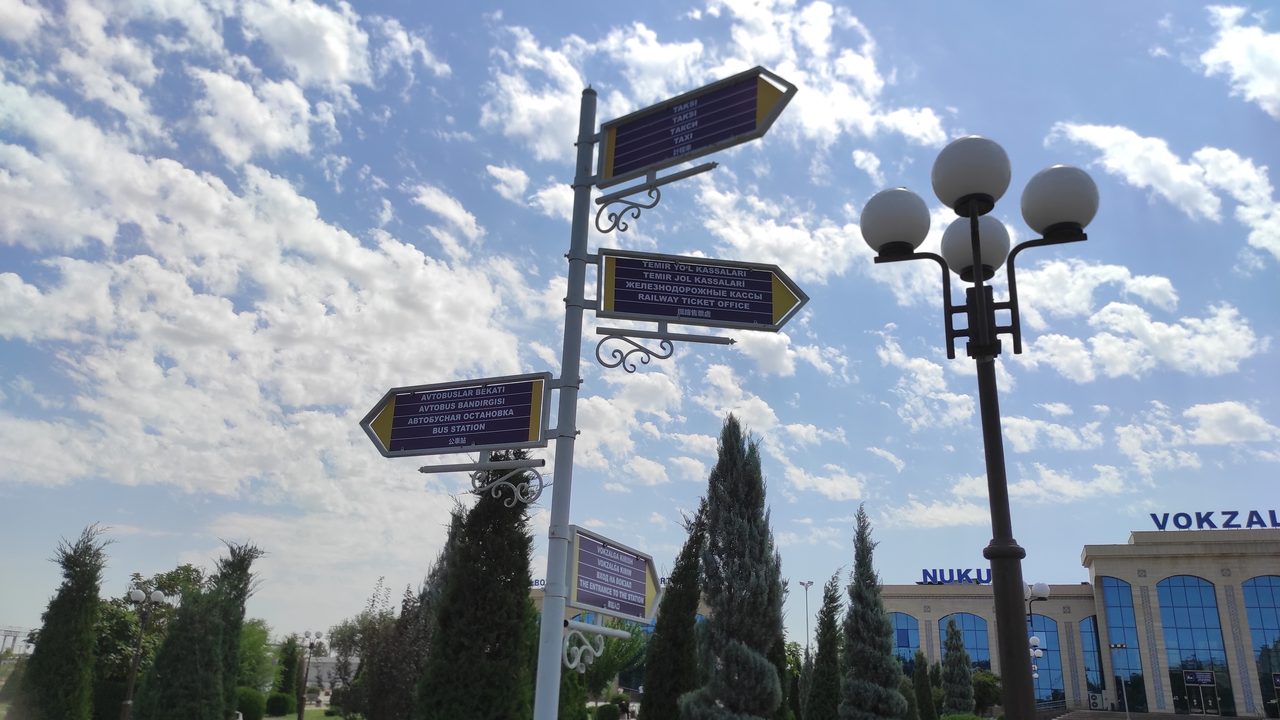
Nukus and Muynak are separate cities. Muynak lies farther into Karakalpakstan and is known for the former Aral Sea port, ship cemetery and Aralkum landscape.
If Muynak is your destination, you still need onward transport after reaching Nukus.

No. A train to Nukus brings you to Nukus. Visiting the Aral Sea region requires additional road travel farther into Karakalpakstan.
Do not book a tight same-day activity based only on your scheduled train arrival.
Direct long-distance trains connect Tashkent and Nukus. Current booking inventory shows several service patterns, with journey times ranging from roughly 16 hours to almost 20 hours depending on the departure.
The journey is long enough that many services include substantial daytime travel as well as overnight hours. Do not oversell this as “sleep and wake up there” as if no daytime hours are used.
This train can replace part of a hotel night, but it also uses part of your travel day.
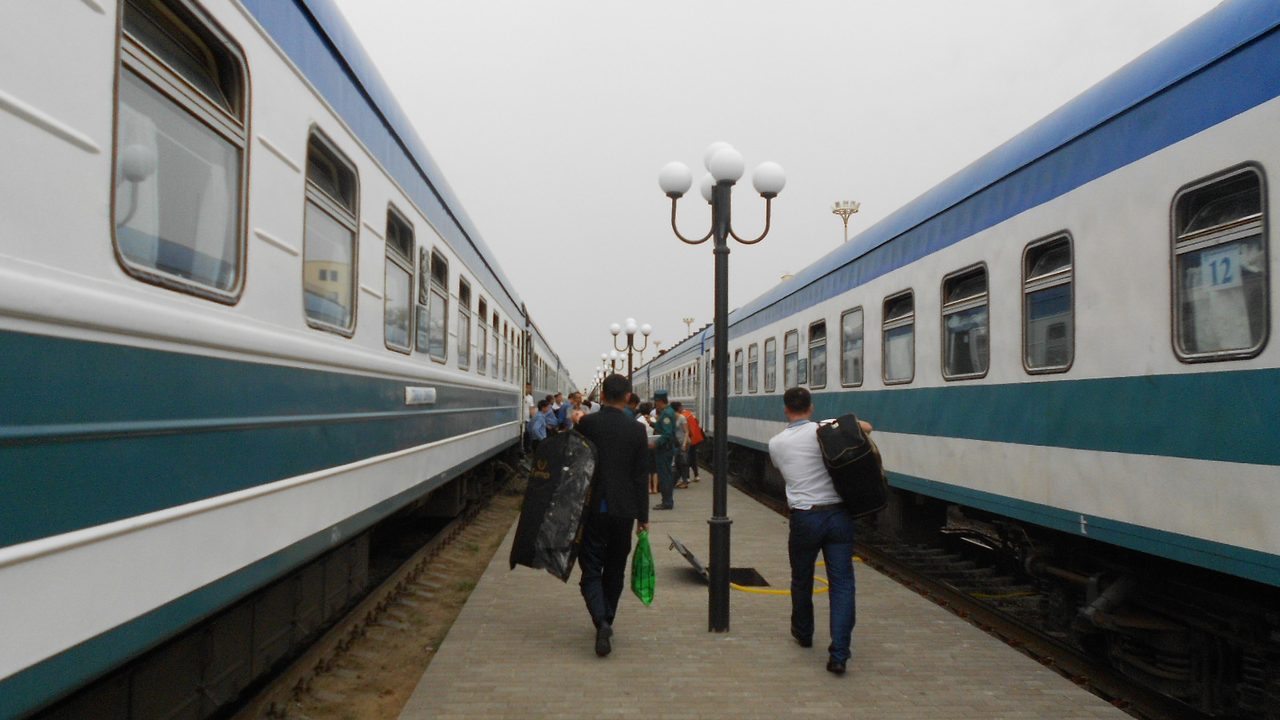
Potentially the cheapest product when offered. But sitting upright for roughly 16–20 hours is a serious comfort trade-off.
Budget berth in an open shared sleeper carriage.
Enclosed shared compartment — usually the strongest overall balance.
Greater privacy for travelers who want it.
Grand Deluxe appears as a premium product on selected current trains — not every departure. Do not infer specific luxury features from the name alone; check the actual product description before paying the premium.
Cheapest: 2nd Class Seat where offered.
Budget sleeper: 3rd Class / Platskart.
Best overall balance: 2nd Class / Kupe.
More privacy: 1st Class / SV.
Premium: Grand Deluxe only where current inventory supports it.
On a 16–20 hour journey, having a berth is a much bigger upgrade than it is on a short regional train.
Long-distance trains toward western Uzbekistan can use Tashkent South. Check the exact terminal printed on your selected ticket.
Direct eastbound trains also connect Nukus with Tashkent, allowing travelers to return to the capital without changing trains.
Some western Uzbekistan trains continue beyond Nukus toward Kungrad and other stops. Current inventory also shows frequent rail connections between Kungrad/Kungirot and Nukus — useful network context if your itinerary extends farther west.
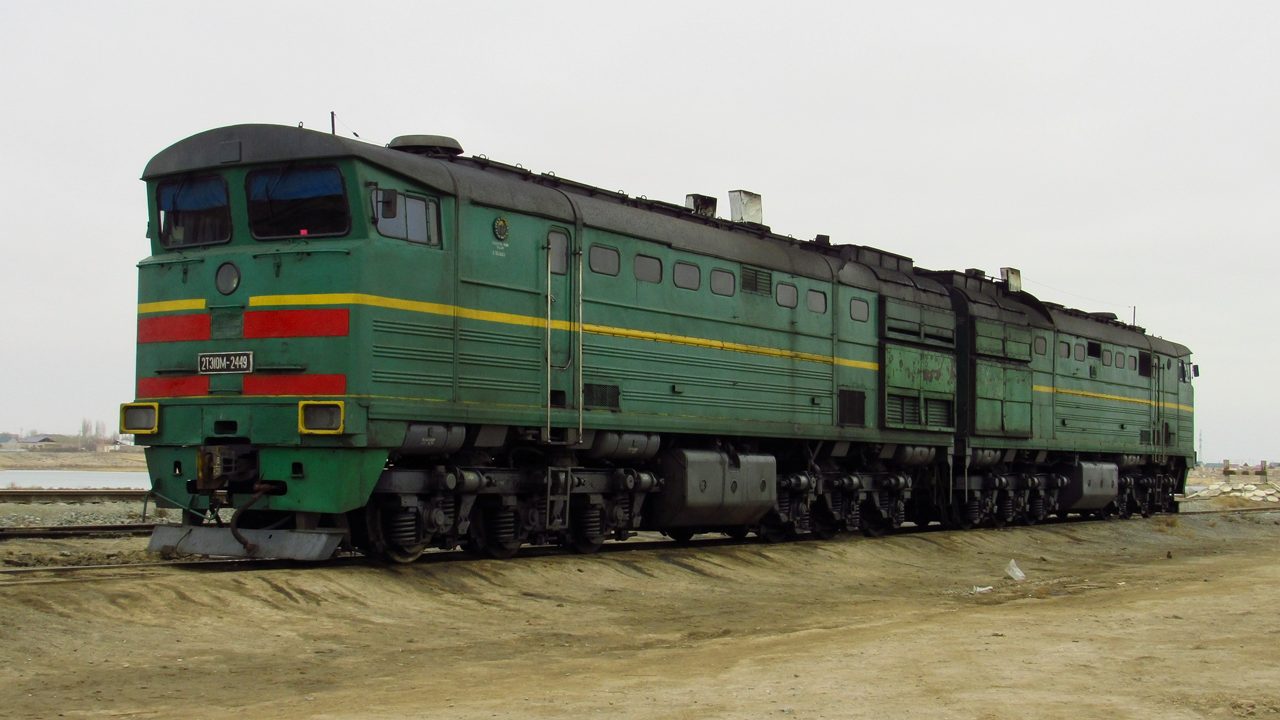
Once your rail and onward transport are planned, compare available experiences in Nukus and the wider Karakalpakstan region.
Lower fare matters, sleeper travel fits your itinerary, you have time, rail experience appeals to you, or overnight timing is useful.
Saving many hours matters, your Uzbekistan itinerary is short, you need to reach Karakalpakstan quickly, or a 16–20 hour rail journey does not fit.
The flight competes on time. The train competes on price, sleeper accommodation and travel style.
The biggest decision is not just price — it is whether saving a relatively small amount is worth spending 16–20 hours without a berth.
Nukus has an international airport, making train-vs-flight decisions particularly relevant for travelers entering Karakalpakstan.
Treat rail and air as separate journeys. Allow for the train arrival, leaving the station, a local transfer, airline check-in and security.
Confirm your rail departure and station before leaving the airport, and leave enough time for a separate city transfer.
Yes — especially if you are interested in the Savitsky Museum and Karakalpak culture. Official Uzbekistan tourism information identifies the Savitsky State Museum of Arts as one of Nukus's major attractions. Nukus can be both a destination and a regional gateway.
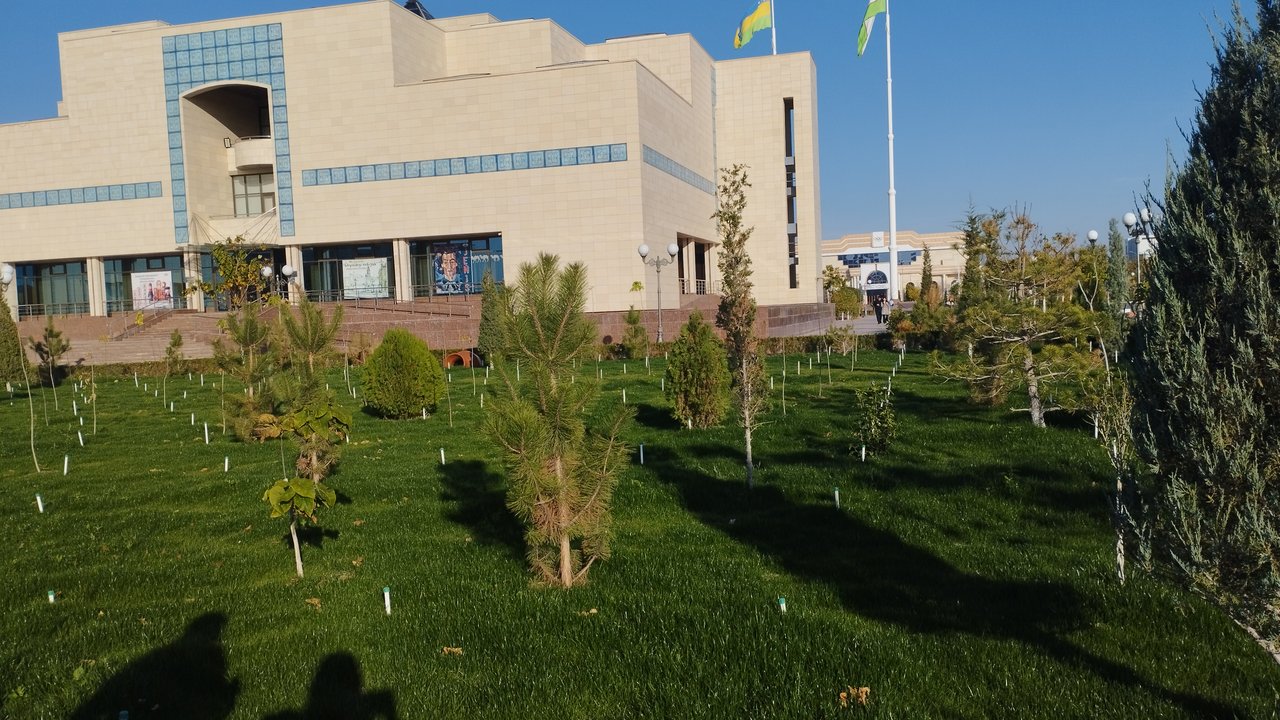
Visiting the Savitsky Museum, resting after the long train, your onward departure is the following day, or you need airport/transport logistics.
Pickup is already arranged, your itinerary is specifically focused on Muynak/Aral Sea, or the train arrival gives enough realistic onward time.
Muynak is roughly 200 km from Nukus according to Uzbekistan's official tourism portal. Reaching it requires onward regional transport from Nukus — an arranged transfer, taxi or private driver, or regional road transport. Only scheduled public transport that is currently verified should be relied on; none is claimed here.
Trips deeper into the Aral Sea region often involve significant road travel and may be arranged as organized or private excursions from Nukus — this is not trivial same-day local transport.
Do not depend on station or onboard Wi-Fi. Save your ticket, hotel details and onward Karakalpakstan travel information offline.
Keep important items such as your passport, phone, ticket and money accessible during a long sleeper journey. Do not assume station lockers are available without confirming current service.
For a 16–20 hour journey, bring enough water and food or snacks for the parts of the trip when you know you will want them.
Power availability can vary by train and carriage. Carry a charged power bank rather than assuming every berth has a socket.
Allow enough time to enter, check the departure information and locate the correct carriage without rushing. For sleeper trains, find your carriage number before boarding because long-distance trains can be lengthy.
Some trains stopping in Nukus may continue toward Kungrad and other western destinations. Match the train number, departure time, carriage and seat/berth — do not rely only on the final destination shown on the train.
Save the issued ticket offline and keep the travel document used for the booking accessible. Follow the boarding instructions attached to the booking.
Find bookable activities that fit around your stay in Nukus or onward travel.
Long-distance rail from Tashkent to Karakalpakstan, with current journeys around 16–20 hours and multiple sleeper classes.
Eastbound long-distance rail back to Tashkent, with seat and sleeper options depending on the train.
Uzbekistan night trains → — Nukus is one of the country's major long-distance sleeper destinations.
Nukus is the capital and transport gateway of Karakalpakstan, with direct long-distance trains from Tashkent taking roughly 16–20 hours.
Nukus is not Muynak, and the train does not reach the Aral Sea directly — both need onward transport.
2nd Class / Kupe is usually the strongest balance of privacy and price for a journey this long.
Nukus itself has genuine tourist value, especially the Savitsky Museum.
Nukus Railway Station is the main long-distance passenger rail station serving Nukus, the capital of Karakalpakstan.
Yes. Nukus is one of the region's principal transport centers and a common rail arrival point for travelers continuing elsewhere in Karakalpakstan.
No. Nukus and Muynak are separate cities. Muynak requires onward travel from Nukus.
No. The train arrives in Nukus. Visiting Muynak or the Aral Sea region requires additional onward transport.
Yes. Direct long-distance trains connect Tashkent and Nukus.
Current services range from roughly 16 hours to almost 20 hours depending on the train.
Most services involve overnight travel, but the total journey is long enough to include significant daytime hours as well.
2nd Class / Kupe is usually the strongest balance of privacy and price for a journey this long.
It can be the cheapest option when offered, but spending 16-20 hours without a berth is a substantial comfort compromise.
Western long-distance trains can use Tashkent South. Follow the exact terminal shown on your selected ticket.
Flying saves many hours. Train makes more sense when lower cost, sleeper travel and the rail experience matter more than speed.
Yes. Nukus is home to the Savitsky Museum and is also a useful base for wider Karakalpakstan travel.
Muynak requires separate onward regional transport from Nukus. Arrange that part of the journey independently from your train ticket.
Yes. International travelers can arrange available Nukus train tickets online through supported booking platforms.
Search your route, confirm your sleeper class, and remember that Muynak and the Aral Sea need a separate onward plan from Nukus.
Search Train Tickets